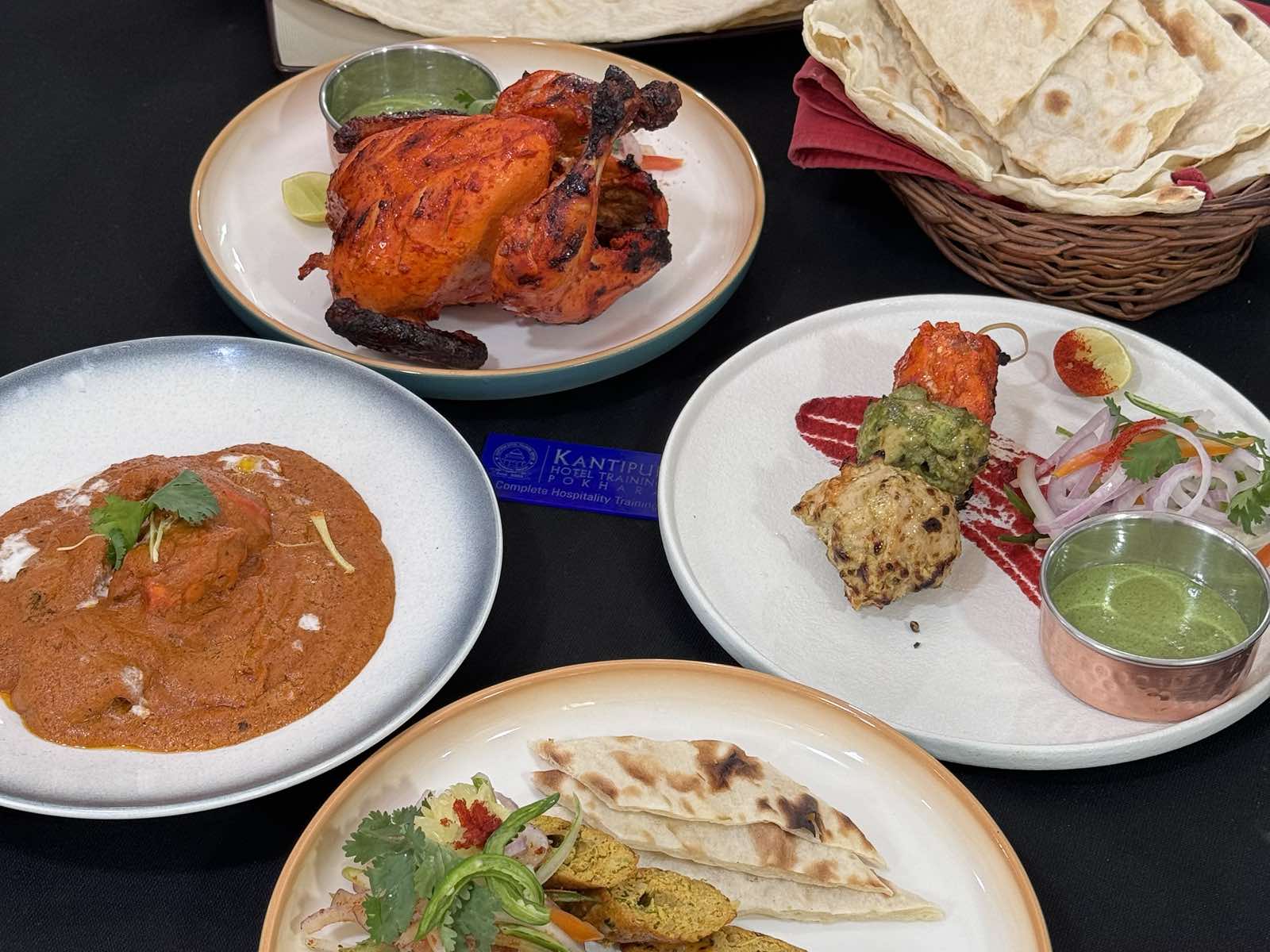
Diploma Course in Cookery (Specialization)
Course Duration: 6 monthsClass Duration: 4 hours per day
Course Structure:
Introduction to Catering and Hotel Industry
Introduction to Catering: History, Classification, Origin
History, Development, and Classification of Hotels
Kitchen Management: Definition and Types of Kitchens
Kitchen Planning and Layout: Hierarchy of Kitchen Department
Technical Culinary Terms
Food Safety and Hygiene
Food Poisoning: Bacteria and Prevention
Cross Contamination
Rules of Food Processing
Hygiene and HACCP (Hazard Analysis and Critical Control Points)
Health and Safety in the Kitchen
Food Commodities and Ingredients
Vegetable, Fruit, Meat, Fish, Poultry, Eggs, Milk, Pasta, and more
Identification of Various Herbs and Spices
Various Cooking Methods: Introduction and Techniques
Food Stocks: Definition and Classification
Sauces and Soups
Sauces: Definition, Mother Sauces, and Derivatives
Soups: Definition and Classification
Accompaniments and Garnishes
Salads and Dressings
Salad Preparation Techniques
Various Types of Dressings
Salad Garnishes
Menu Planning and Classical Menu
Menu Planning: Principles and Techniques
French Classical Menu: Planning and Execution
Menu Engineering
Cooking Techniques and Methods
Cutting Techniques: Handling Different Color Codes and Cutting Boards
Professional Knife Handling
Mise-en-scène and Mise-en-place
Food Production Cycle: Receiving, Storing, Preparing, Cooking, Holding, and Servicing
Specialized Cuisines (Practical Performance)
French Cuisine: History, Techniques, and Recipes
Italian Cuisine: History, Techniques, and Recipes
Mexican Cuisine: History, Techniques, and Recipes
Thai Cuisine: History, Techniques, and Recipes
Indian Cuisine: History, Techniques, and Recipes
Chinese Cuisine: History, Techniques, and Recipes
Japanese Cuisine: History, Techniques, and Recipes
Continental Cuisine: History, Techniques, and Recipes
Nepalese Cuisine: History, Techniques, and Recipes
Baking and Confectionery
Baking Basics: Ingredients, Tools, and Techniques
Advanced Baking Techniques
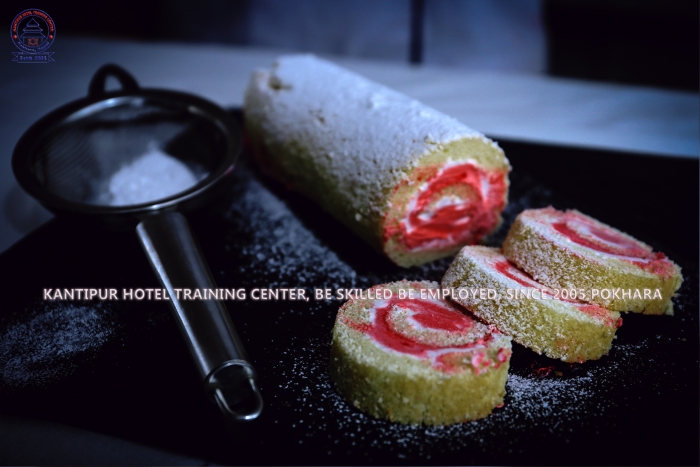
Confectionery: Chocolates, Pastries, and Desserts
Food Carvings and Presentations
Techniques for Food Carving
Plating and Presentation Skills
Industrial Exposure and Modern Tools
Identification of Modern Tools and Equipment
Importance of Industrial Exposure: Training and Opportunities
Arranging Industrial Training and Schedule Management
Final Project and Viva
Individual or Team Projects: Preparing a Complete Menu
Viva and Communication Skills Assessment
Final Presentation and Evaluation
Weekly Schedule:
Day 1:
Theory: Introduction to the week's topic with audio-visual aids
Demonstration: Chef's demo on the practical aspect of the topic
Day 2:
Practical: Students perform the same recipe/technique demonstrated by the chef
Evaluation: Feedback and corrections by the chef
Daily Breakdown (4 hours):
1 hour: Theory and demonstration
2 hours: Practical hands-on training
1 hour: Discussion, Q&A, and evaluation
Assessment:
Continuous assessment through practical performance
Weekly quizzes and assignments
Final project and viva for comprehensive evaluation
This structured syllabus ensures a systematic and scientific approach to learning, providing students with a thorough understanding of both theoretical and practical aspects of cooking and baking.
| Chapter | Lesson | Type |
|---|---|---|
| 1 | Learning basics | |
| 2 | Learning Cullinery | |
| 3 | Advanced practical | Quiz |